01
Review Speed
Reduce turnaround time by improving change size, reviewer routing, expectations, and response habits.
Code Review Workshops
Evidence-based, hands-on training for engineering teams that want faster reviews, better feedback, a healthier review culture, and practical answers for reviewing AI-assisted code.
Built on code review research and field work with teams connected to Microsoft, Wix, National Instruments, Expedia Group, Automattic, and others.
Why It Matters
Slow approvals, vague feedback, oversized changes, tense review conversations, and inconsistent expectations are usually symptoms of a socio-technical workflow that has drifted out of alignment.
Codalytics workshops help teams inspect the full review system: author habits, reviewer behavior, feedback quality, expectations, communication norms, ownership, and the new pressures introduced by AI-generated code.
AI-Era Code Reviews
Teams are right to ask whether code review is still needed, whether AI can review code reliably, and how humans should cope when AI-assisted development creates more pull requests, larger diffs, and more subtle ownership questions.
The workshop treats AI as part of the review system: useful for first-pass checks, summarization, pattern spotting, and reviewer preparation, but not a replacement for engineering judgment, shared context, architectural ownership, or accountability.
What humans still need to review when generation gets faster.
Where AI review helps, where it misleads, and how to calibrate trust.
How to manage higher PR volume without turning review into a queue of doom.
How to adapt guidelines for generated code, ownership, tests, and maintainability.
Outcomes
Reduce turnaround time by improving change size, reviewer routing, expectations, and response habits.
Write clear, useful, actionable comments that improve the code without exhausting the author.
Handle disagreement with less friction and more shared technical judgment.
Create shared review guidelines so reviewers stop re-litigating the same questions in every pull request.
Decide what AI should check, what humans must own, and how to keep review judgment sharp.
Leave with concrete changes your team can apply immediately, not a generic list of best practices.
Research-Backed
The workshop is grounded in empirical software engineering research on code reviews, developer experience, testing, and collaboration. The guidance is not a collection of personal opinions or generic productivity tips.
Findings from studies of real engineering teams, including work on useful code reviews and review bottlenecks.
Lessons from industry review systems at large software organizations and modern product teams.
Exercises that turn evidence into concrete team habits, guidelines, and review decisions.
Workshop Formats
A compact workshop for teams that need immediate progress on either review speed or feedback culture.
A deeper format for teams that want to improve review speed, feedback quality, and shared standards.
Best for organizations that want a more supported change effort around review culture and process.
Pricing starts at €399 per person. Workshops are scoped based on team size, current review challenges, AI-review questions, and desired outcomes. A final quote follows a short fit conversation so the format matches the work you actually need.
Proof
"Having gone through the code review workshop, I can attest that making code reviews a superpower is not a hyperbole."
"After attending the code review workshop, we were able to reduce the size of our code reviews and made the review process more consistent between projects."
"Perfect mix of theory, background, and practical. This is hard to get right!"
Method
We start from your current review pain points, workflow, norms, and examples.
Participants work through evidence-based exercises, feedback examples, and realistic review scenarios.
The group builds shared language around speed, quality, ownership, and respectful feedback.
You leave with a concrete improvement plan tailored to your team rather than abstract advice.
Facilitator
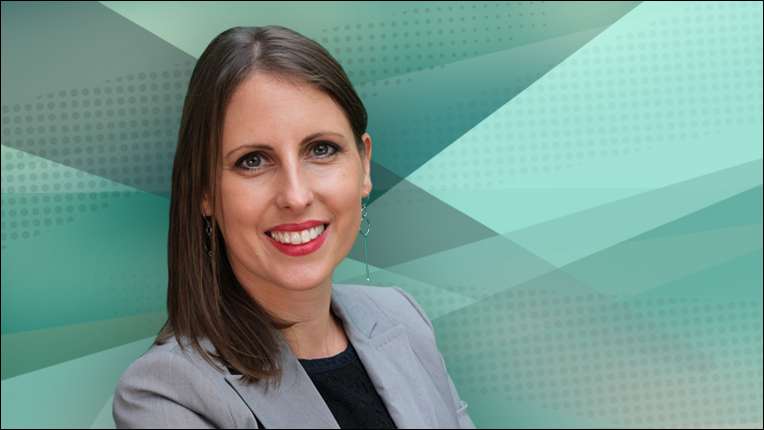
Michaela is a software engineering researcher, consultant, and educator specializing in code reviews, developer experience, and engineering effectiveness.
She has worked at Microsoft and Microsoft Research, holds a PhD in Software Engineering from Delft University of Technology, and has spent years studying how engineers review, test, collaborate, and improve software in real organizations.
Her workshops translate empirical research and field experience into practical team habits engineers can use immediately.
Plan a Workshop
Share a little about your team, review workflow, and the friction you want to solve. Codalytics will suggest the workshop format that gives your team the strongest next step.
Helpful context: team size, location or time zones, current review tool, and whether your biggest pain is speed, feedback quality, collaboration, AI review, or AI-generated code volume.